Luxor’s famous ancient monuments are only part of its visual story. The city’s streets, markets, and architectural interiors offer opportunities to observe details that might otherwise be missed. These photographs focus on the textures of everyday surroundings and the varied built heritage of the city.
Luxor Beyond Its Ancient Monuments
Luxor is often introduced through its pharaonic temples, but it is also a contemporary Egyptian city where people live, work, shop and worship. Its streets reveal a different kind of history: the changing relationship between the ancient site of Thebes and the communities that grew around it. Markets, houses, mosques and public spaces make the city’s cultural life visible in ways that a monument-only itinerary cannot.
Travel photography becomes more meaningful when it pays attention to these ordinary settings. A shopfront, a shaded doorway or a busy street can convey the texture of daily life without needing to be a famous landmark. The aim is not to present one street as representative of all Egypt, but to record the particular scenes encountered during a journey.
From Thebes to the Streets of Luxor
The ancient city behind modern Luxor was Thebes, closely associated with Amun and important in the Middle and New Kingdoms. Its great religious complexes and the royal burial grounds across the Nile are now recognized together in UNESCO’s World Heritage property, Ancient Thebes with its Necropolis. That designation describes an extensive archaeological landscape, not just a single temple or courtyard.
It helps to keep that larger setting in mind while looking at modest streets and shopfronts. Temples were never the whole of a city’s life. People also needed places to work, exchange goods and travel between the river and the surrounding settlements. Today’s market passages belong to a different economy and a different built environment, but they remind us to picture Luxor as a place with daily routines as well as exceptional monuments.
Markets, Trade and Everyday Exchange
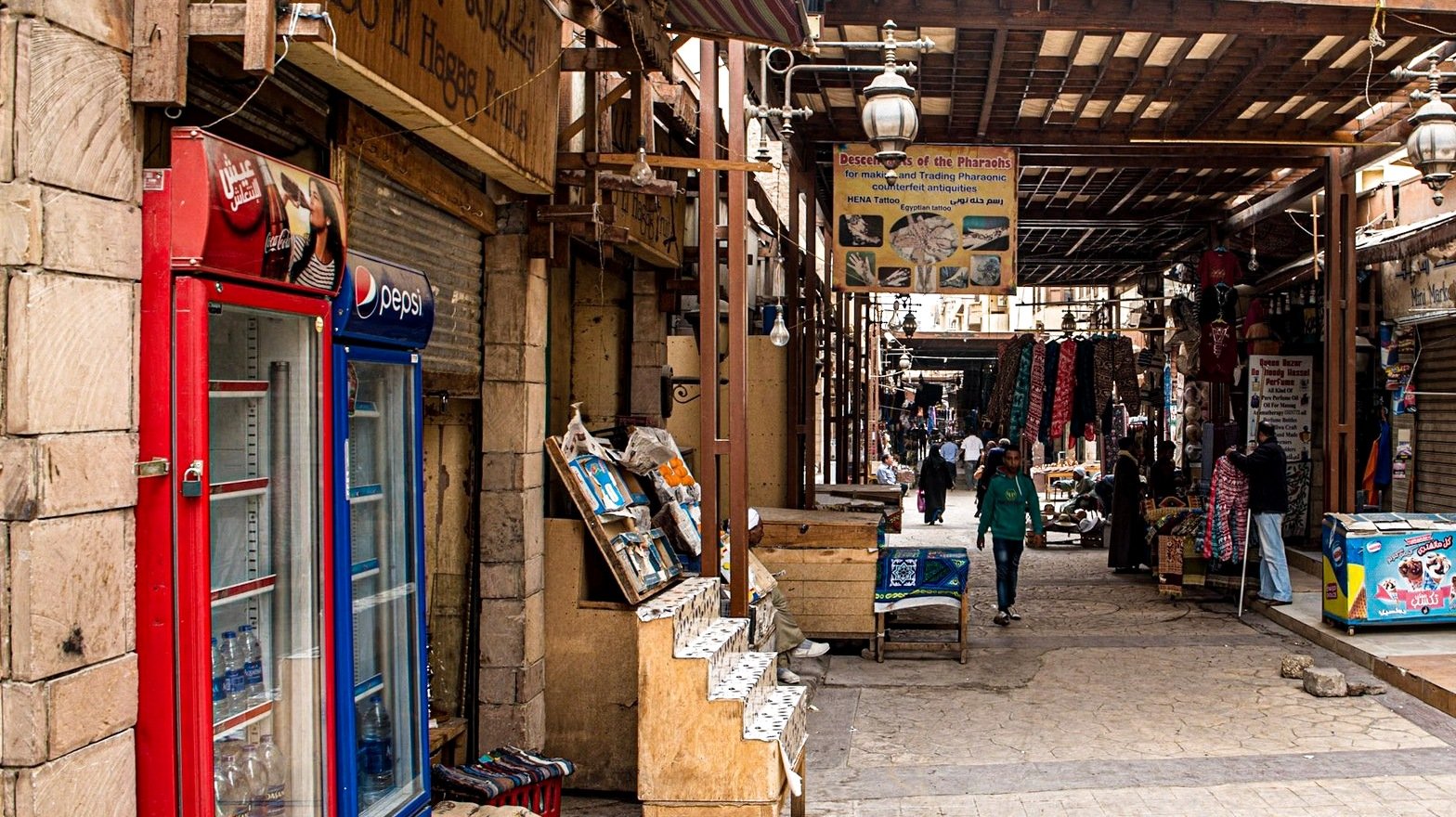
Markets have long been important meeting places in Egyptian towns. They bring together food, textiles, household goods, souvenirs and conversations, reflecting both local needs and the presence of visitors. The modern tourist market is not the same as an ancient bazaar, but it belongs to a long tradition of exchange in the Nile Valley.
In these photographs, hanging fabrics, shopfronts and wooden roof structures create a different visual rhythm from the open spaces of the temples. Bright merchandise catches the light along the sides of shaded passages. People moving through the walkways give the scenes their scale: these are places to pass through and pause, rather than monumental spaces designed to dwarf the visitor.
Islamic Architecture in the Landscape of Ancient Thebes
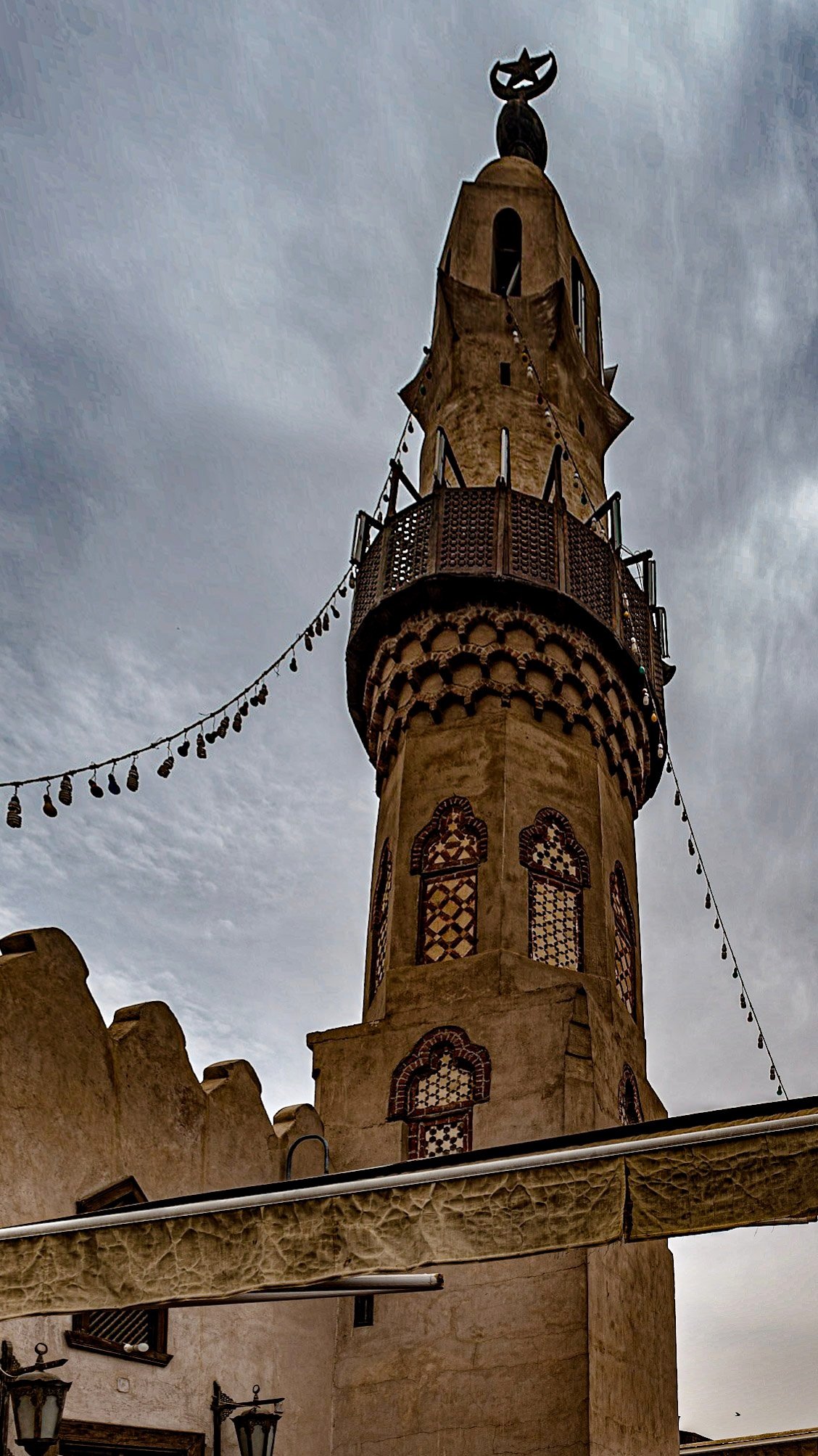
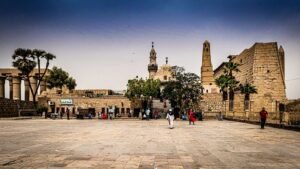
The arrival and development of Islamic communities introduced new forms of religious and civic architecture into the Luxor landscape. Minarets, domes, courtyards and decorative surfaces now share the skyline with the remains of ancient Egyptian temples. The Mosque of Abu Haggag, built within the Luxor Temple complex, is a particularly vivid example of the city’s layered history.
These layers are worth examining rather than treating them as competing eras. A view that includes both ancient stone and later Islamic architecture can show how buildings were reused, adapted and incorporated into changing communities. Accurate identification matters, however, because not every minaret or decorated interior belongs to the same mosque.
A Temple, Churches and a Mosque
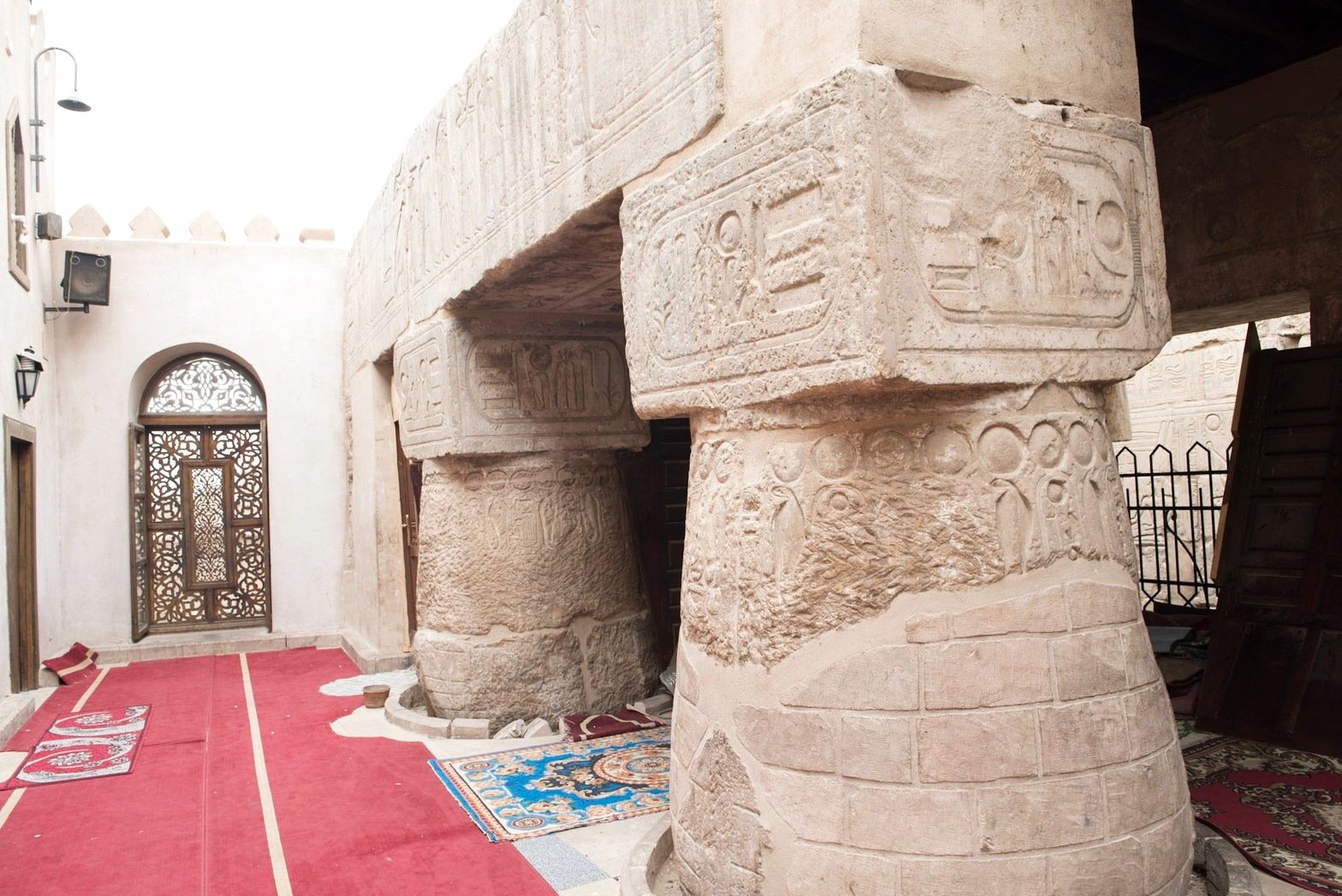
The history around Luxor Temple continued through successive religious and political settings. In the Roman period the temple was incorporated into a military camp and associated with the imperial cult. Christian churches later occupied parts of the precinct, and the Mosque of Abu al-Haggag developed within the older complex. The surviving relationship between the mosque and ancient architecture makes this history unusually visible.
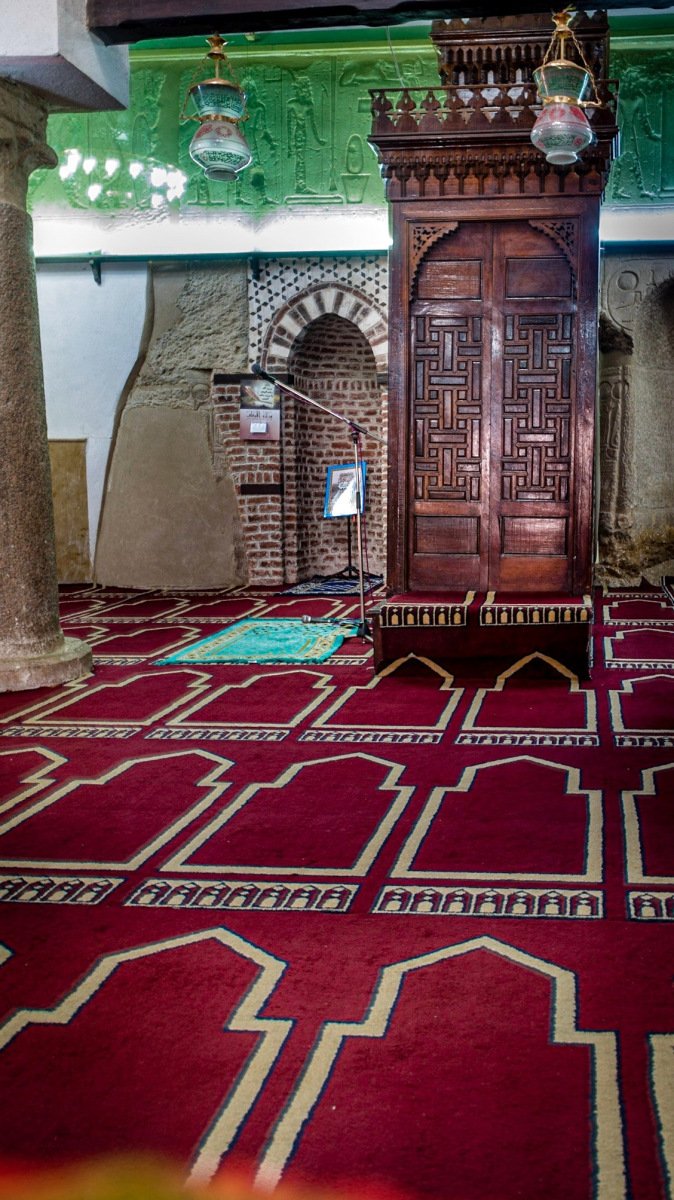
These phases should not be compressed into one moment. A carved column and a wooden door may be physically close while belonging to very different episodes in the life of the building. Looking at their edges, materials and positions can be more revealing than trying to identify every mark at once. The photographs invite that slower kind of attention: a recognition of change, adaptation and the people who continued to use the site.
Shopping Routes Around the Monuments
Luxor’s shopping landscape extends beyond one market street. Official tourism material describes the central souq near Luxor Temple as well as souvenir sellers and alabaster workshops associated with visits to the west-bank necropolis. Textiles, small objects and locally associated crafts connect the visitor’s route with the businesses surrounding the monuments.
The market photographs here are described as scenes from the Luxor region, without assigning them to a particular named souq. Their covered walkways and displays are visible; the exact street or entrance is not established by the photographs alone. That distinction leaves the images free to tell their own story without giving them an invented address or history.
Interiors, Craft and Architectural Detail
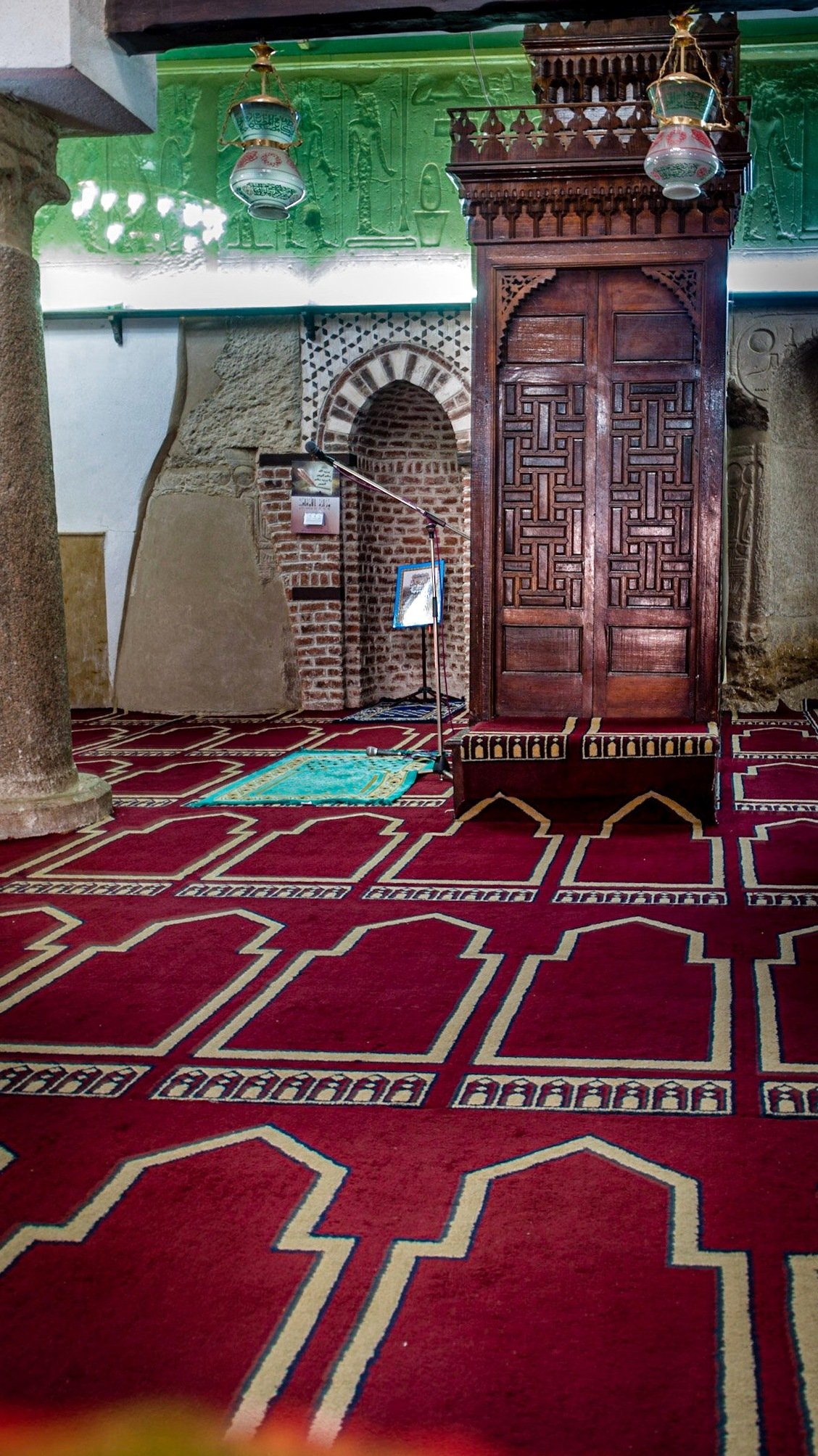
Interior photographs can draw attention to patterns, arches, columns, light and materials that are easily overlooked in wide street scenes. Decorative choices may reflect local craft traditions, modern renovations or influences from different periods. The contrast between carved stone, patterned carpets and wooden doors is especially striking. Their presence in the same frame does not mean that they were all made at the same time; the photograph reveals a setting that has acquired different materials and uses.
A thoughtful sequence of photographs can move from an exterior establishing view to details of doors, ceilings, carvings and ornament. This gives the reader the feeling of entering a space and discovering it gradually. Keeping vertical lines straight and correcting mixed indoor lighting gently will help preserve the atmosphere of the original scene.
A City of Continuity and Change
Modern Luxor is shaped by tourism, transport, commerce and the responsibilities of living alongside world-famous archaeological sites. Streets and buildings change, but the Nile remains a central geographical presence. The coexistence of contemporary life and ancient monuments is one of the most interesting things about the city.
The most memorable details are not always the largest ones. A market corner, a doorway, the changing light on a wall and the unexpected view of a minaret beyond an ancient courtyard bring the history closer to the scale of an individual visit. They show the surroundings through which a journey actually unfolds.
The Streets and Markets
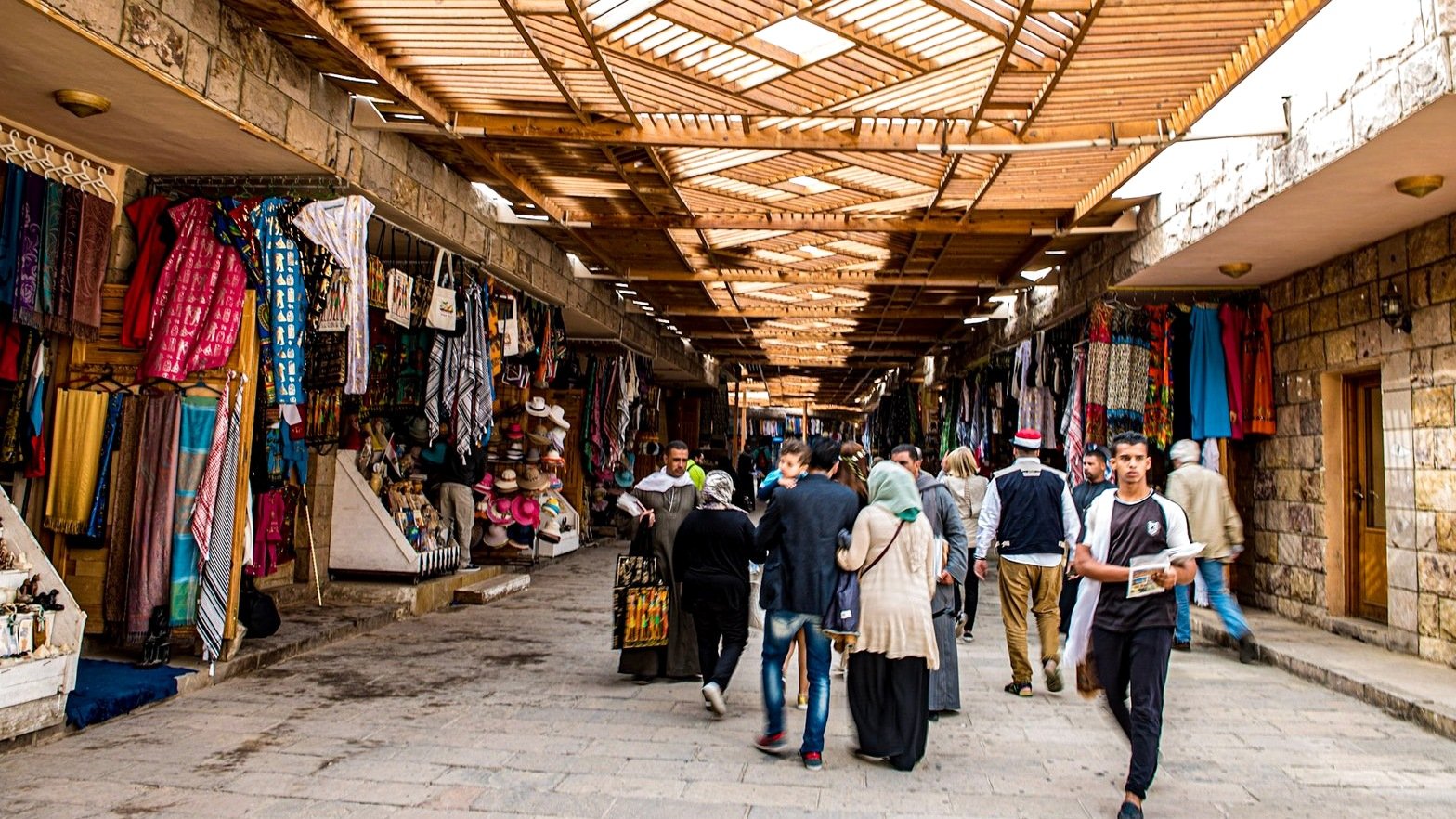
A market scene can communicate a sense of place through the arrangement of stalls, colors, signs, and movement. Rather than treating these photographs as mere background to the ancient sites, this collection gives them space to tell their own story about contemporary Luxor.
Doorways, Arches, and Decorative Interiors
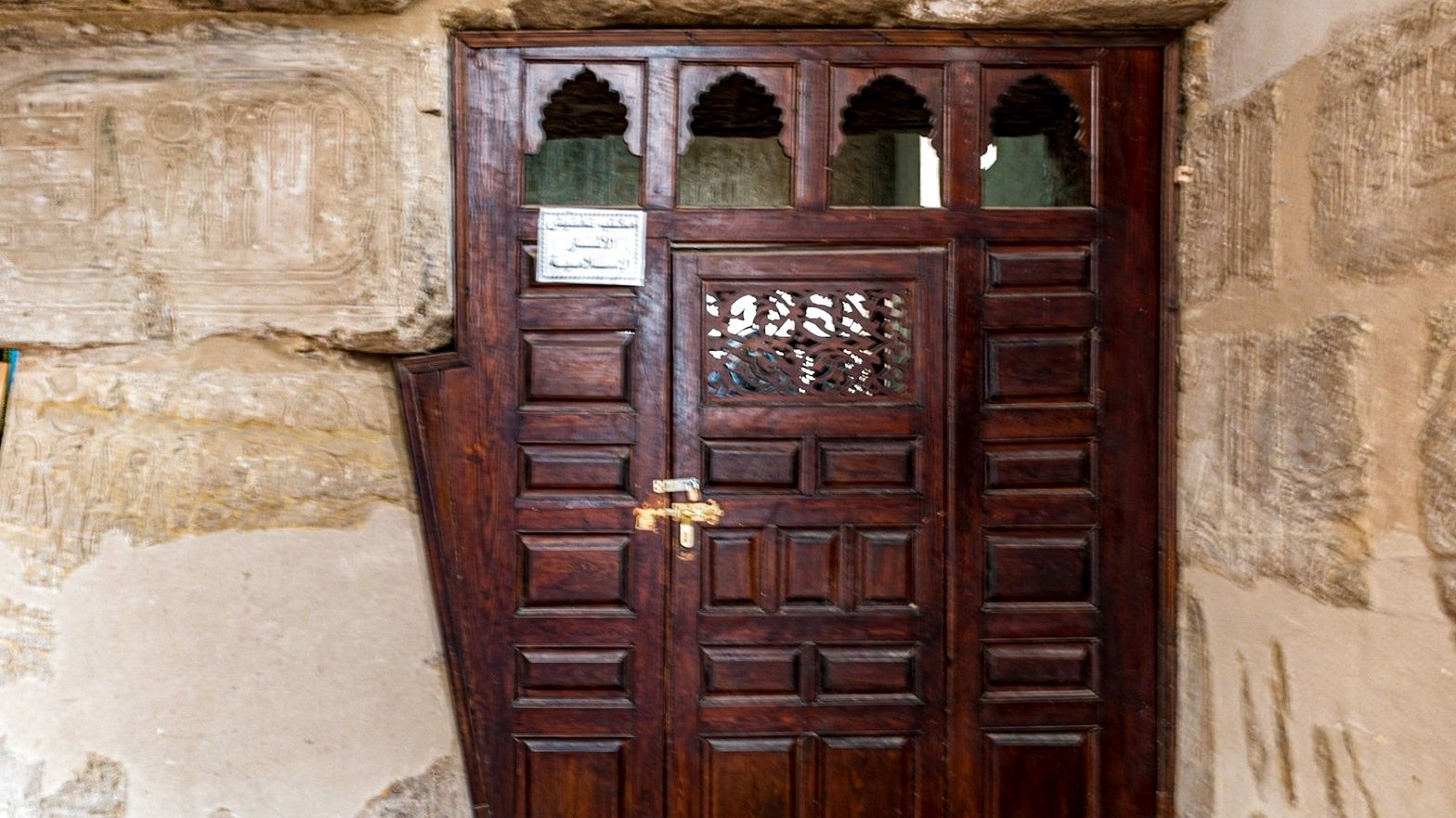
Historic interiors often draw the eye through repeated shapes, contrasting materials, and carefully worked decorative surfaces. Doors, arches, carpets, and architectural ornament can each become a subject. The most effective images balance those details with enough surrounding context to help the viewer understand the space.
Photographing Heritage with Care
Photography in religious and historic spaces calls for patience and respect. Visitors should follow local rules, avoid disrupting worship or other activities, and ask permission when appropriate. Captions should distinguish between confirmed facts and visual observations, especially when the identity or age of a building is uncertain.
A Different View of Luxor
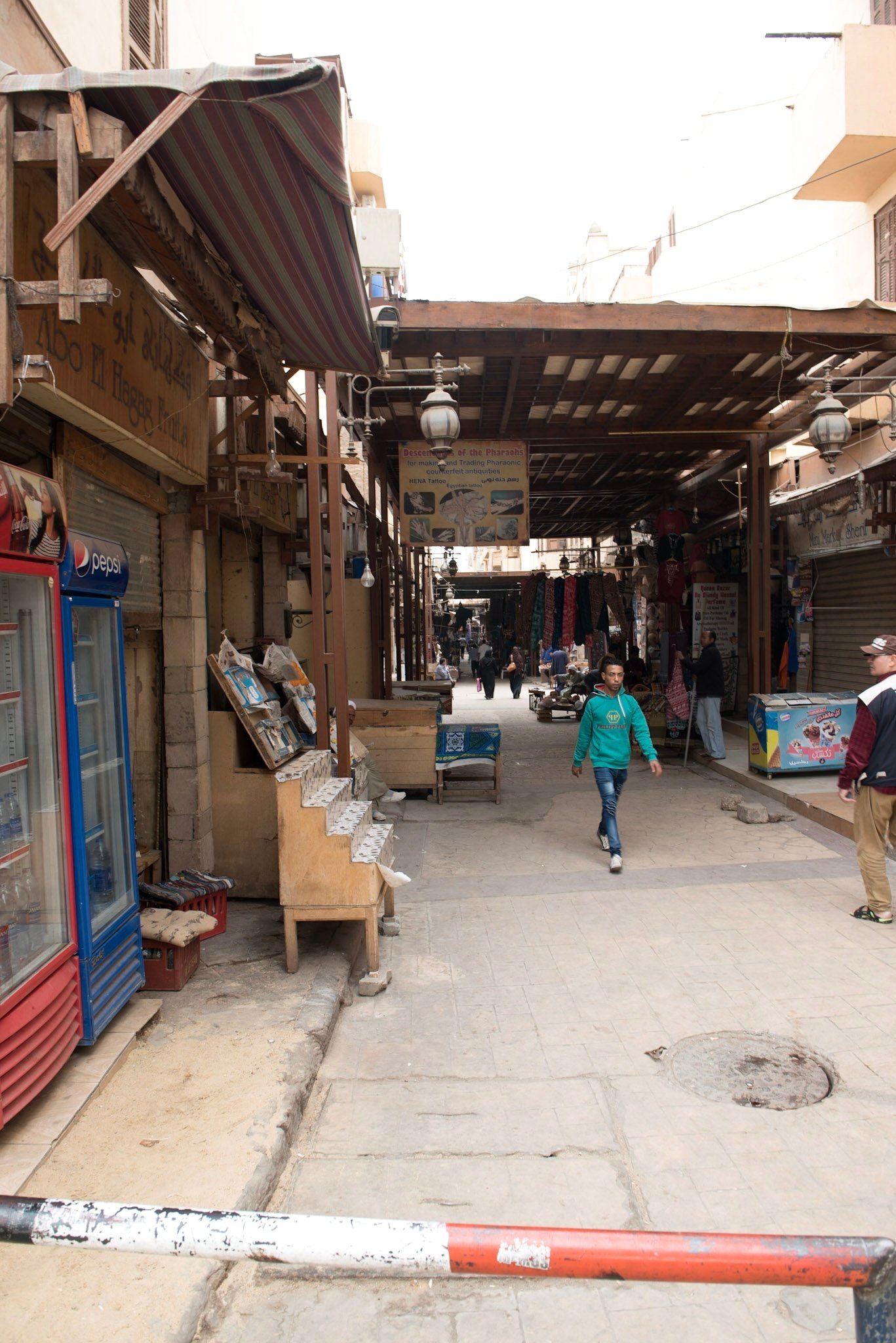
Together, these scenes complement the temple photographs. They reveal a city whose identity is shaped by both celebrated ancient monuments and the ordinary places through which people move every day.
Continue exploring Luxor Temple, the Nile waterfront and the Temple of Hatshepsut.
Original travel photography by A. Abbady. Explore the full Luxor collection.
Historical Sources and Further Reading
UNESCO: Ancient Thebes with its Necropolis; Egyptian tourism authority: Luxor guide, shopping section; University of Chicago: The Mosque of Abu’l Haggag at Luxor Temple.