In the heart of modern Luxor, the ancient temple complex offers a remarkable encounter with monumental Egyptian architecture. Massive columns, carved stone surfaces, and statues invite visitors to look both at the scale of the site and at its intricate details. This photographic essay explores those different perspectives.
Thebes: The City Behind Modern Luxor
Luxor stands on the site of ancient Thebes, one of Egypt’s most influential religious and political centers. During the New Kingdom, Thebes was closely associated with Amun, a god whose importance grew alongside the power of the Egyptian state. The city’s monumental temples were not simply places of worship: they were the setting for royal ceremonies, priestly activity, artistic production and the display of political authority. The great complexes at Karnak and Luxor formed part of a larger sacred landscape connected by processional routes.
The name Luxor Temple can be misleading if it suggests that the complex was devoted to a single king. The building developed across generations, with major contributions from Amenhotep III and Ramesses II, as well as alterations and additions by later rulers. Every courtyard and column reflects a different phase in a long history. Photographing the temple therefore means photographing layers of ancient Egypt rather than a monument completed at one moment.
Amenhotep III and the Great Colonnade
Amenhotep III, who ruled in the Eighteenth Dynasty during a period of considerable prosperity, was responsible for major parts of Luxor Temple. His work included the large courtyard and sanctuary areas toward the southern end of the complex. The architectural scale was intentional: monumental columns and carefully arranged spaces communicated the wealth, order and sacred legitimacy of the king.
The celebrated processional colonnade, with its enormous papyrus-form columns, was begun under Amenhotep III and decorated in later reigns, notably under Tutankhamun and Horemheb. The columns’ height creates a powerful impression in photographs, especially when visitors are visible nearby. Their form also recalls the vegetation of the Nile, showing how Egyptian architecture translated the natural world into stone.
Ramesses II and the Monumental Entrance
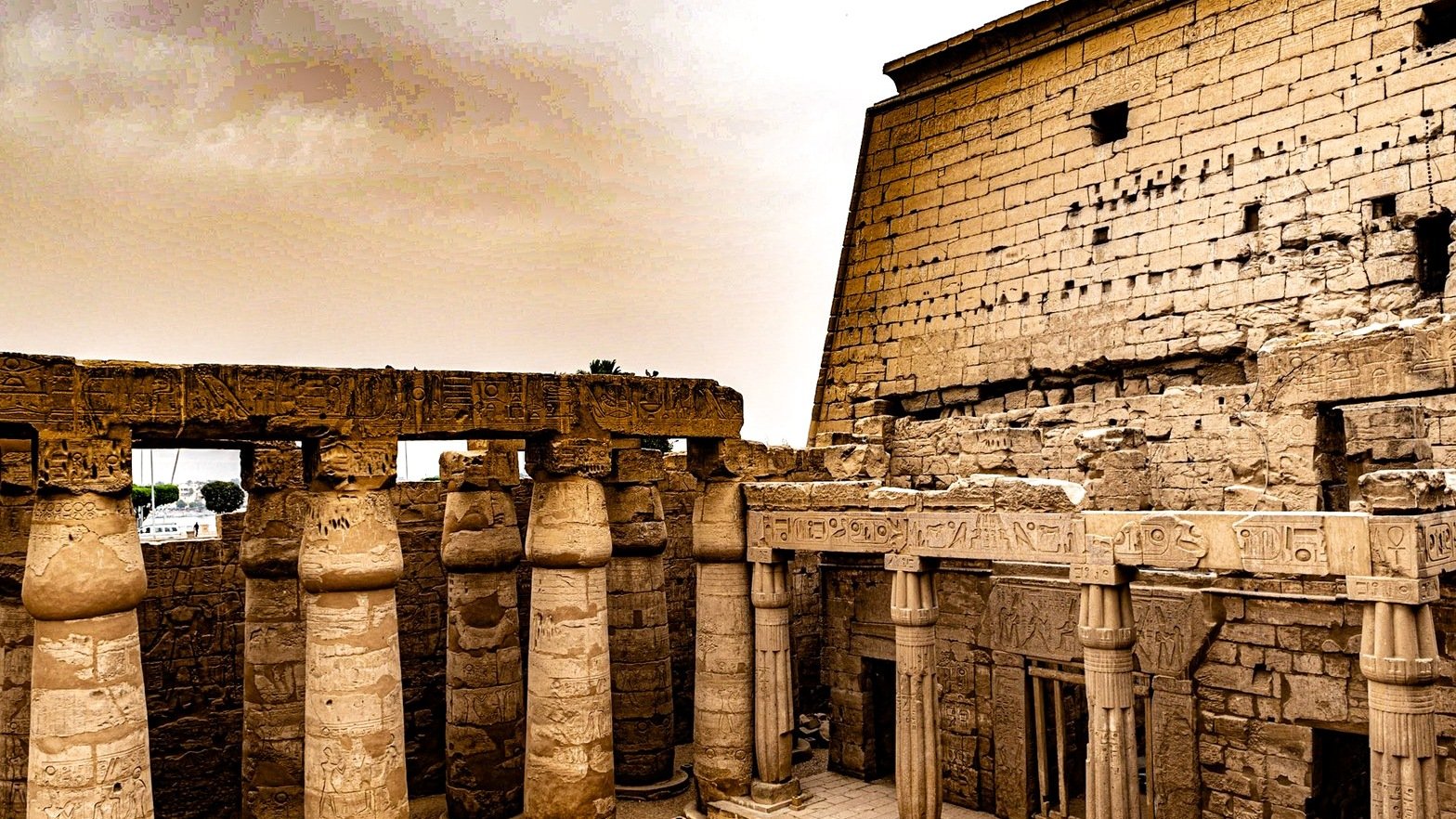
Ramesses II, a ruler of the Nineteenth Dynasty, transformed the northern approach to Luxor Temple with a monumental pylon and an open courtyard. Colossal royal statues and obelisks proclaimed the authority of the pharaoh. The surviving obelisk at Luxor once had a partner; the other now stands in the Place de la Concorde in Paris. These monuments make the entrance one of the most recognizable views of the site.
Royal inscriptions and reliefs should be read as carefully constructed political and religious messages, not as neutral records of events. Scenes of victory, offerings and divine protection present the king as a guardian of cosmic order. Wide photographs convey the grandeur of the entrance, while closer photographs can reveal the carved details and the effects of centuries of weathering.
The Opet Festival and the Sacred Nile
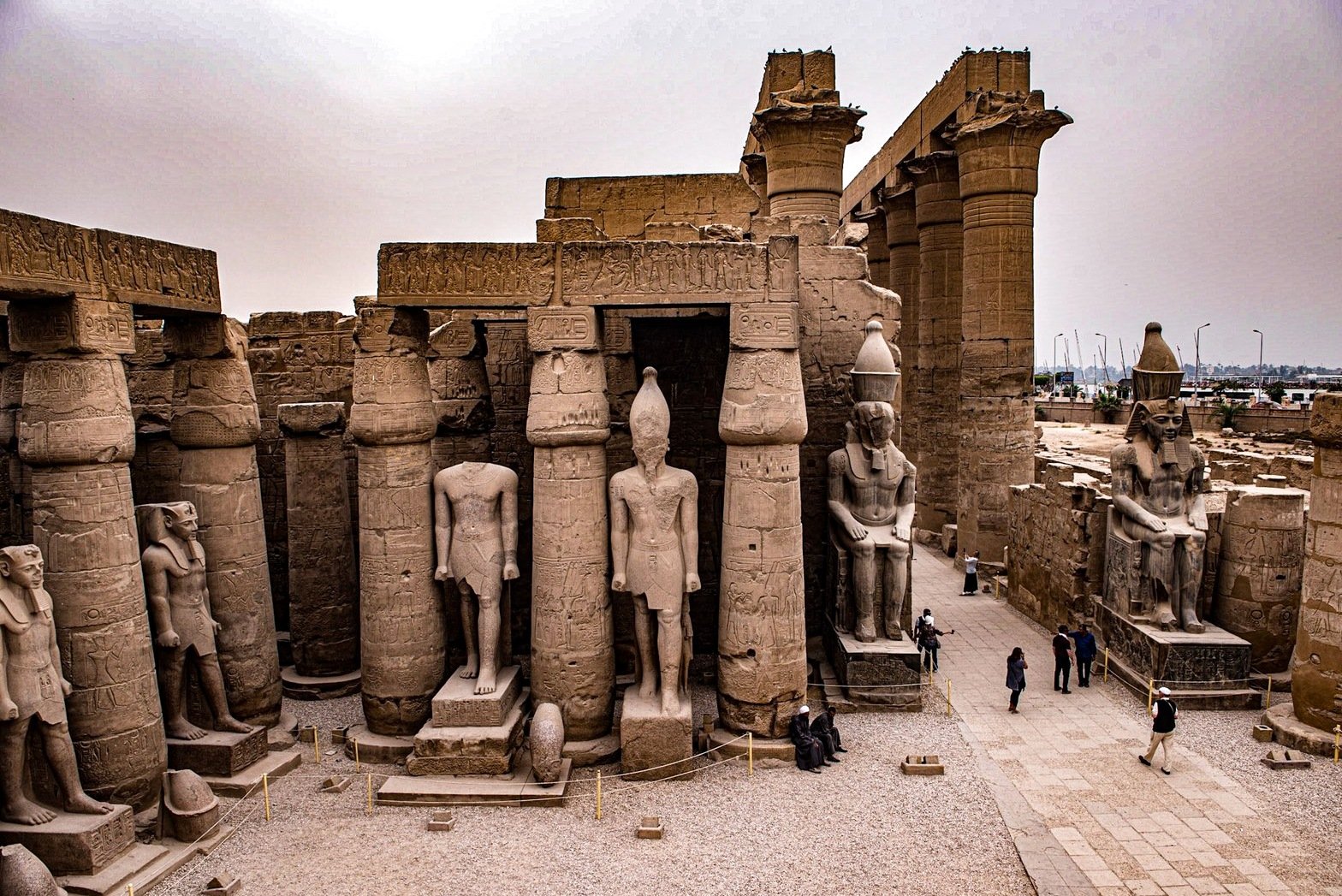
Luxor Temple had a special role in the Opet Festival, a major religious celebration associated with Amun, Mut and Khonsu. During the festival, sacred images traveled between Karnak and Luxor in ceremonial processions. The journey could involve the Nile and processional routes through the city. These rituals renewed the relationship between the gods and the king, reinforcing both religious belief and royal legitimacy.
Thinking about the festival changes the way we view the temple’s courts and passageways. These were not merely impressive architectural spaces; they were places where movement, music, offerings and ceremony once brought the monument to life. The modern streets outside the temple also remind us that ancient Thebes was a living city, not an isolated archaeological park.
Alexander and the Inner Sanctuary
The temple’s story did not end with the New Kingdom. An inner shrine was rebuilt in the name of Alexander the Great, and its decoration presents him within the established visual language of Egyptian kingship. The political world had changed, yet the imagery of a ruler honoring the gods continued. It is a reminder that later rulers could seek legitimacy through the traditions of an ancient sanctuary.
Moving from the open courts toward these inner rooms also changes the experience of the building. Broad daylight gives way to more enclosed spaces, and the monument becomes easier to read as a sequence of places with different religious purposes. A photograph of a column or doorway can capture that transition without pretending to show every phase of the temple’s history at once.
From Ancient Sanctuary to Living City
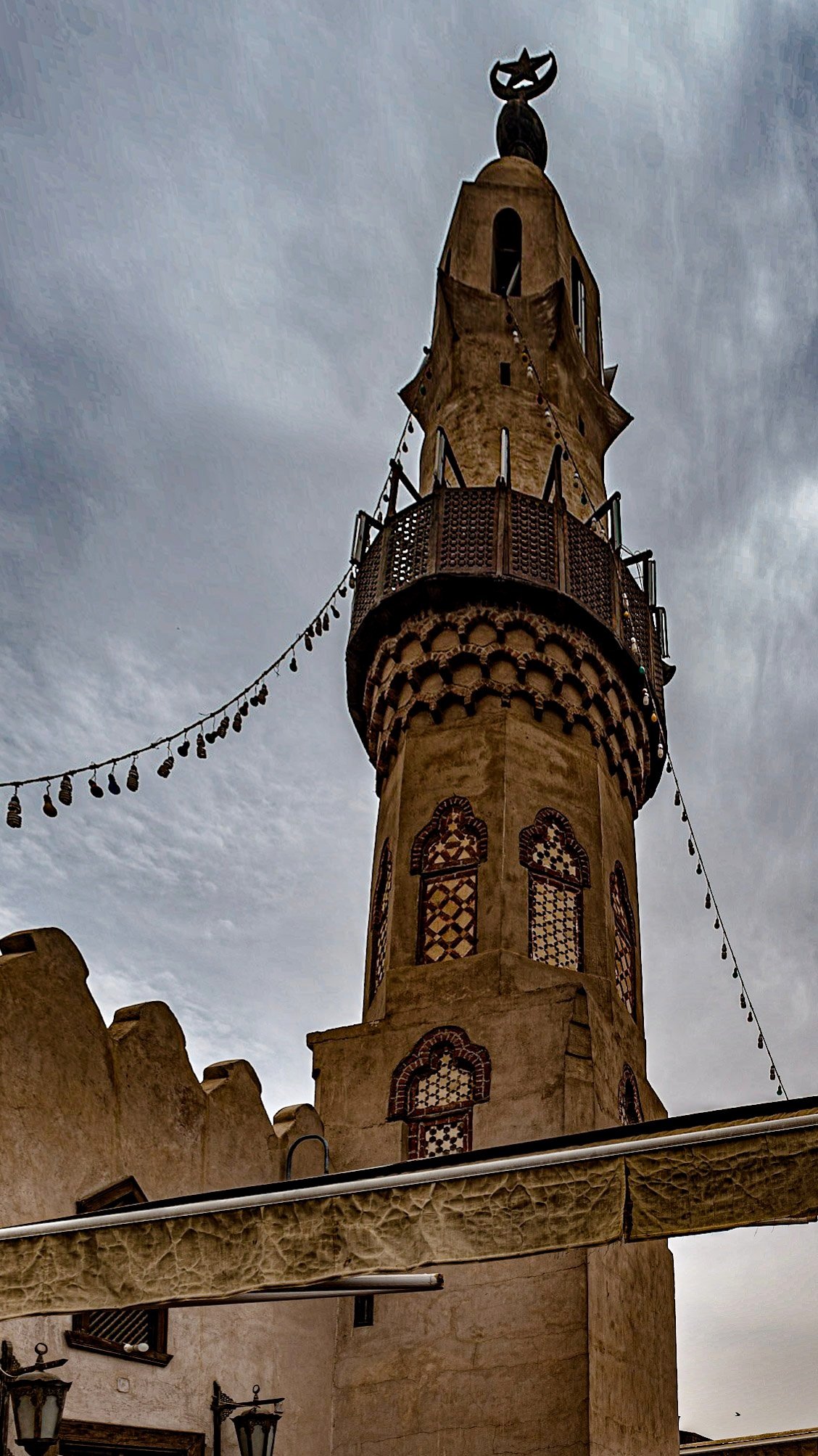
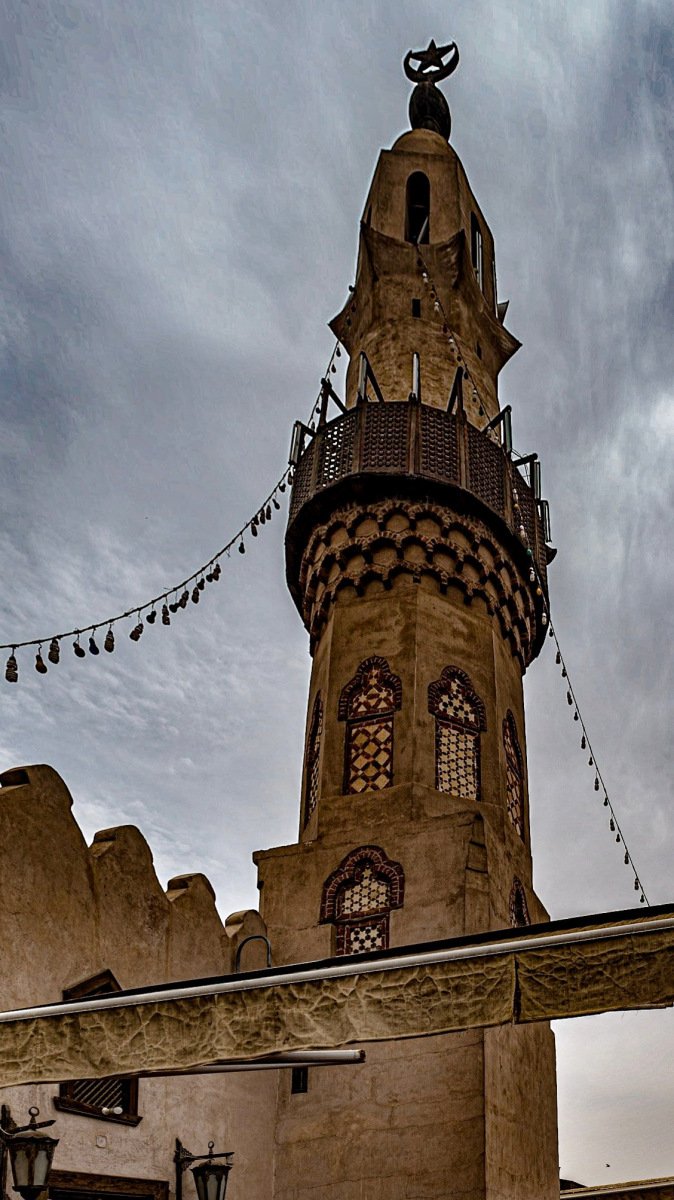
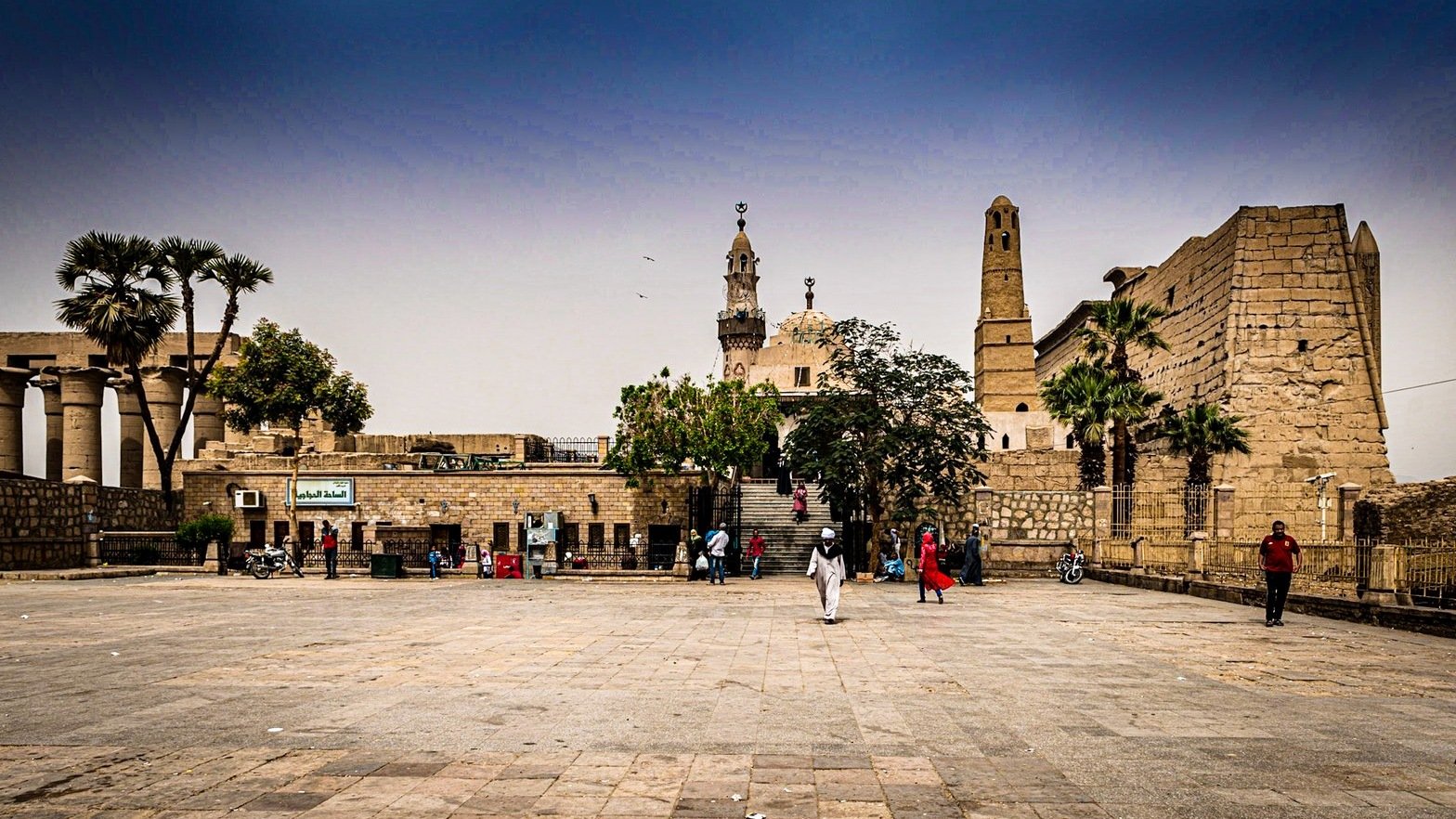
Luxor Temple continued to change long after the New Kingdom. Roman-period construction and decoration altered parts of the complex, and later Christian use left additional traces. The Mosque of Abu Haggag, associated with the historic Islamic life of Luxor, occupies part of the temple complex. Its presence is a visible reminder that the site has been woven into the life of the city for many centuries.
This layered history makes careful captioning especially important. A minaret above ancient stonework is not an accidental intrusion into the photograph; it is evidence of a place that has been adapted and inhabited across different eras. The strongest photo essay can show both the grandeur of ancient Egyptian architecture and the continuity of life around it.
Reading the Stone Through Photography
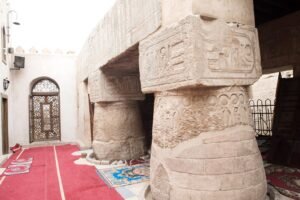
The temple rewards several kinds of photography. Broad views establish the arrangement of courts, columns and statues. Vertical compositions emphasize the scale of the papyrus columns and the relationship between stone and sky. Close views invite readers to notice hieroglyphs, carved surfaces, erosion and the surviving traces of decoration.
Egypt’s strong sunlight can create brilliant highlights and deep shadow within the same frame. Thoughtful exposure correction helps reveal details without making the ancient stone look artificial. Keeping the original proportions of the most successful compositions also preserves the feeling of standing in front of the monument. Placed beside the history, photographs can connect the monument’s great scale with the smaller details that reward a closer look.
Approaching the Temple
Wide photographs are useful for understanding the temple’s relationship to the surrounding city. Palms, open spaces, and nearby buildings place the ancient monument within the modern landscape. The juxtaposition is part of what makes Luxor so compelling: thousands of years of history remain visible amid contemporary daily life.
Columns and Monumental Scale
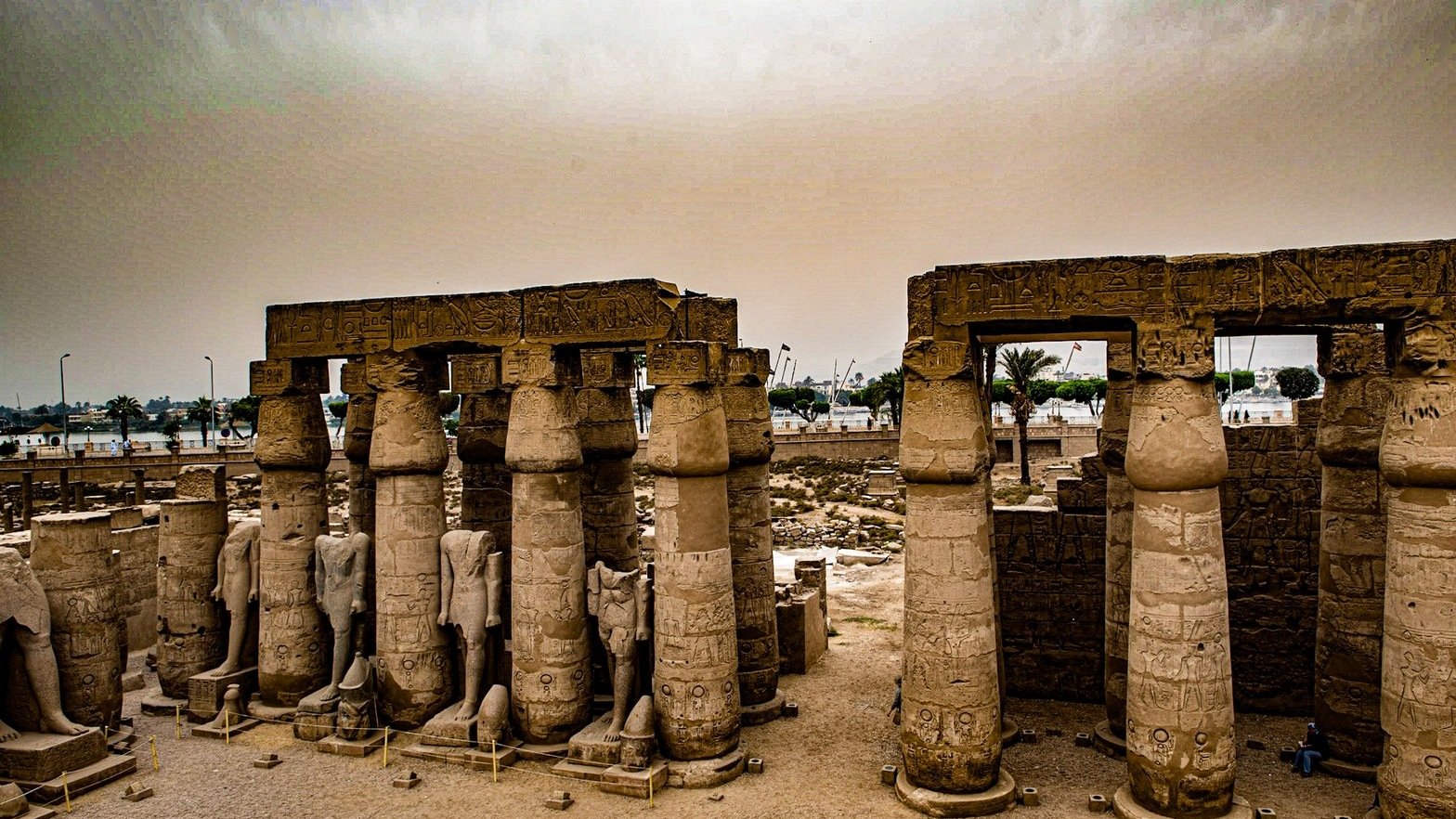
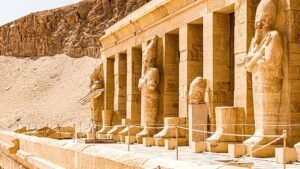
Rows of stone columns create strong repeating forms. From one viewpoint they lead the eye through the site; from another, they frame statues or reveal carved surfaces. Photographing from several distances makes it possible to convey both the grandeur of the architecture and the human experience of moving through it.
Reading the Stone
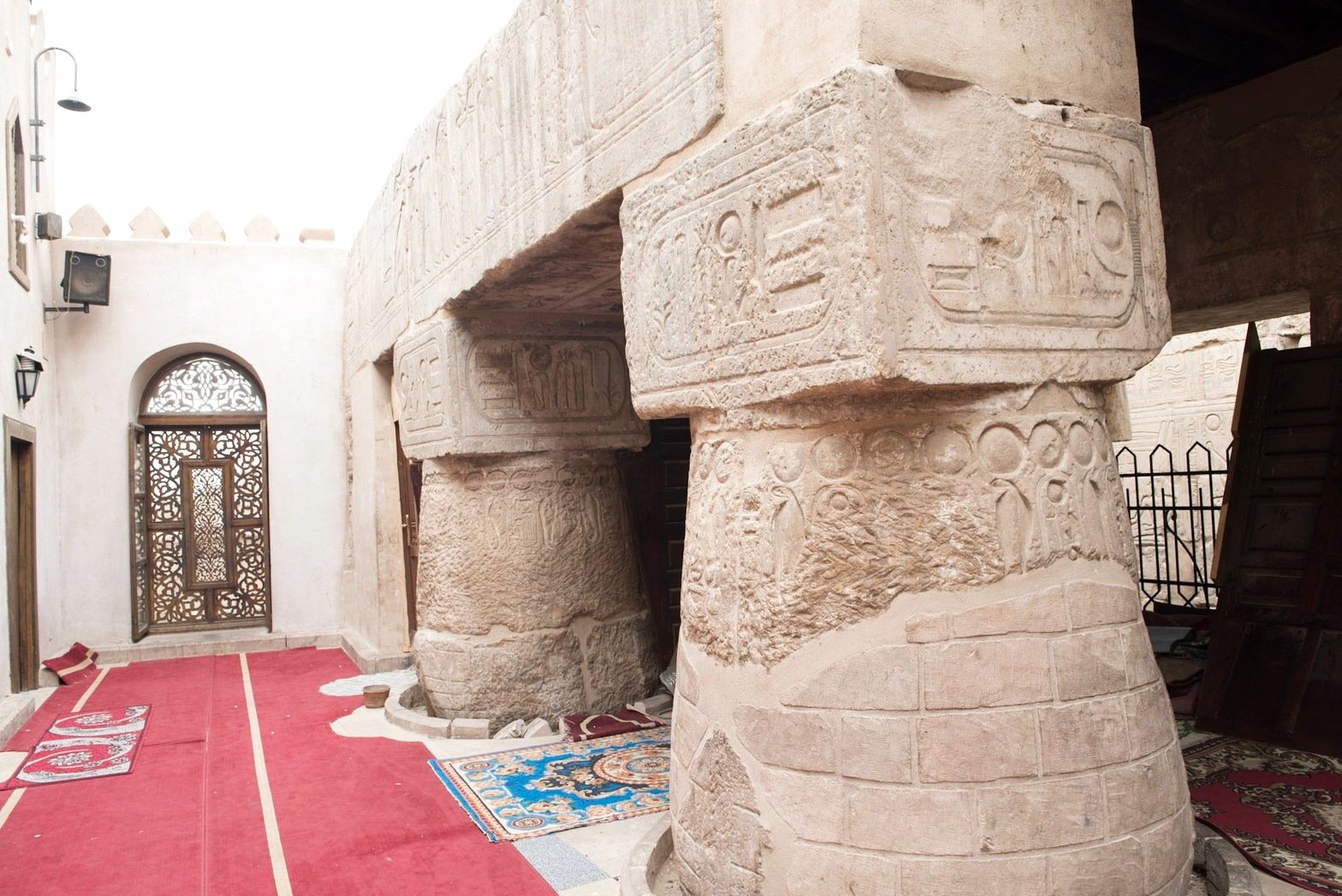
Reliefs and inscriptions preserve aspects of ancient Egyptian royal and religious imagery. Close photographs reward careful attention to texture and craftsmanship, especially where angled sunlight catches the edges of carved forms. Specific inscriptions and figures should only be identified when verified.
A Living Historical Landscape
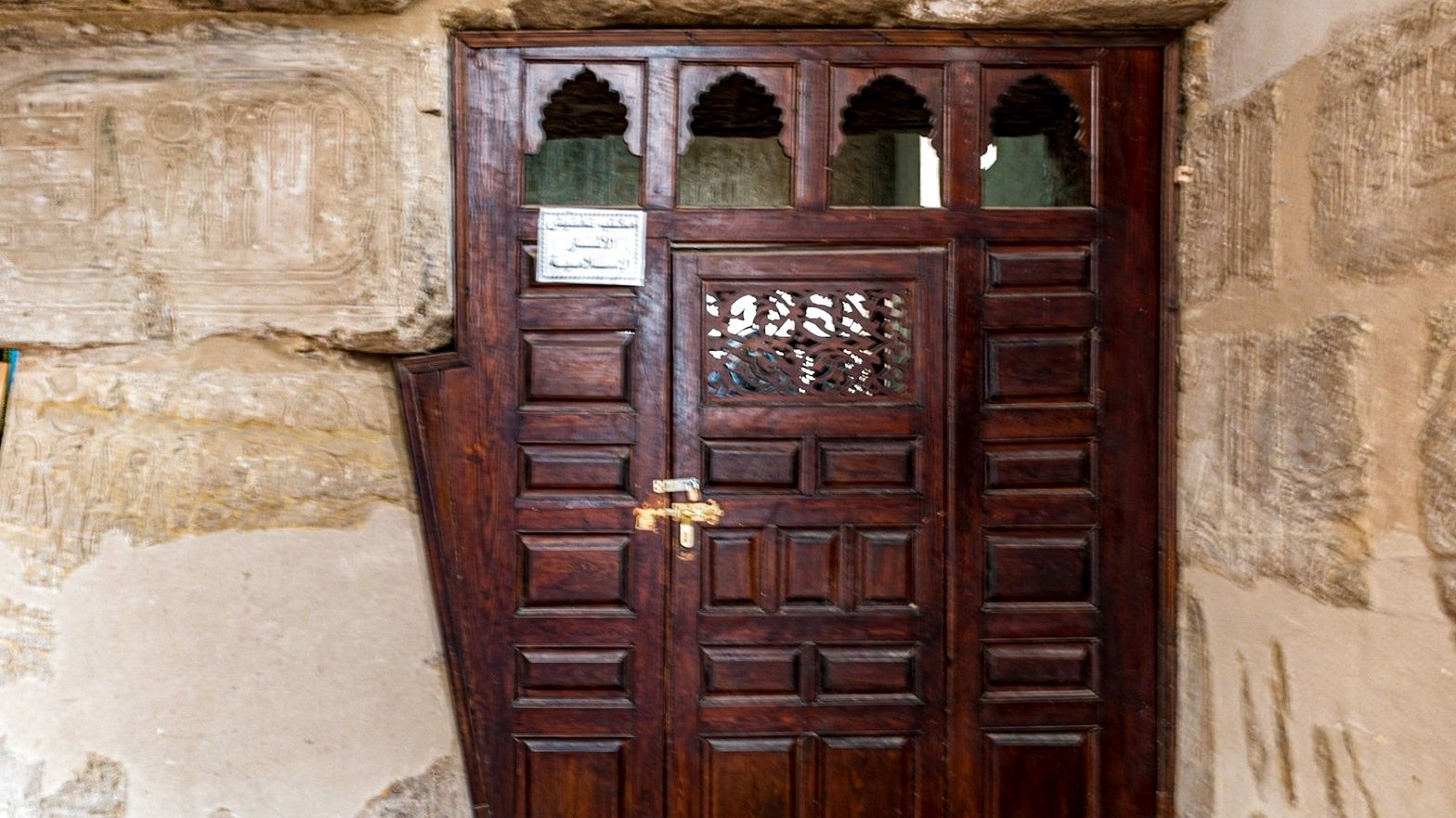
Luxor Temple changed across centuries and remains closely connected to the surrounding city. The historic layers visible at and near the site remind visitors that heritage is not a frozen moment, but an ongoing relationship between monuments and communities.
A Lasting Impression of Luxor Temple
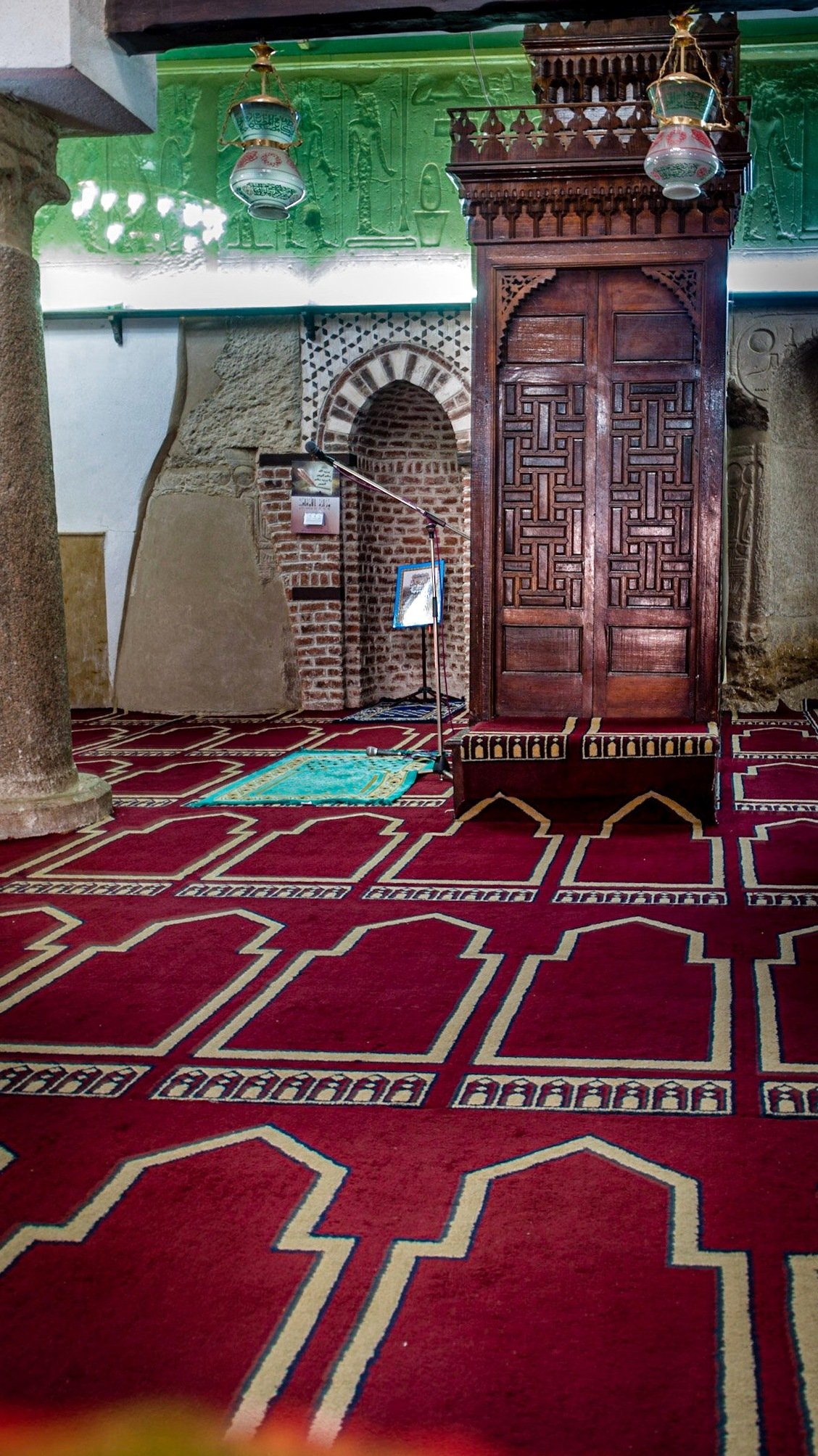
Luxor Temple brings together the grandeur of royal architecture and the everyday presence of a living city. Its columns and statues speak of ancient ceremony, while later buildings and nearby streets reveal the generations that followed. These photographs invite a slower look at that relationship: monumental forms, changing light and traces of lives separated by centuries, gathered in one place beside the Nile.
Original travel photography by A. Abbady. Explore the full Luxor collection.
Historical Sources and Further Reading
Egyptian Ministry of Tourism and Antiquities: Luxor Temple; University of Notre Dame: Luxor Temple Complex; University of Chicago, Epigraphic Survey: Reliefs and Inscriptions at Luxor Temple.